
12 Outdated SEO Practices Still Killing Rankings in 2026 (And What to Do Instead)
Reading Time: 6 min
 Share this article
Key Takeaways
- In 2026, outdated SEO myths can still hold back even the best marketing strategies.
- From keyword stuffing and meta keywords to link quantity obsession, many misconceptions continue to mislead businesses.
- This article debunks the most common SEO myths - explaining why practices like focusing on user intent, ethical link-building, and consistent optimisation are the real keys to success.
- How Fast Is SEO Changing in 2026
- 12 SEO Practices You Must Stop Using in 2026
In 2026, SEO is no longer about ranking pages. It is about earning trust across search ecosystems.
According to Think with Google, over 68% of online experiences still begin with search. Yet the way users interact with search has changed drastically. AI-generated answers, zero-click results, and conversational queries are now shaping how visibility works.
What this means for businesses in Dubai and globally is simple. Strategies that were effective even two years ago can now be outdated and reduce visibility.
At Wisoft Solutions, recent SEO audits across UAE-based businesses revealed a consistent trend. Websites relying on outdated SEO practices saw up to 35% decline in organic traffic after particular updates, especially those tied to Google's Helpful Content system.
This guide breaks down the most damaging outdated SEO tactics and what high-performing brands are doing instead.
How Fast Is SEO Changing in 2026
SEO is evolving faster than most marketing teams can adapt.
Google’s Helpful Content updates, AI Overviews, and E-E-A-T expansion have fundamentally changed ranking signals. Instead of keyword matching, algorithms now evaluate:
- Content usefulness and depth
- Real expertise and credibility
- User engagement signals
- Technical performance and UX
Zero-click searches are also rising. According to SparkToro, nearly 58% of searches in the US end without a click. This means visibility is no longer just about traffic. It is about presence across AI summaries and featured snippets.
For businesses in competitive markets like Dubai, this shift is critical. SEO is now a multi-layered system involving content quality, brand authority, and technical precision.
12 SEO Practices You Must Stop Using in 2026
1. Keyword Stuffing
What it was: Repeating exact keywords excessively
Why it fails: Google’s NLP systems detect unnatural patterns
According to Google Search Central, content should focus on user value, not keyword frequency.
What to do instead: Use semantic SEO. Write naturally and cover topics comprehensively.
2. Publishing Thin Content
What it was: Short, low-value blog posts targeting variations
Why it fails: Weakens site authority
In Wisoft audits, websites with thin content clusters saw lower crawl prioritisation and reduced indexing rates.
What to do instead: Create pillar content that answers complete user intent.
3. Buying Low-Quality Backlinks
What it was: Bulk backlinks from irrelevant sites
Why it fails: Google’s SpamBrain devalues these links
What to do instead: Focus on digital PR and earning links through valuable content.
4. Ignoring Mobile Experience
What it was: Desktop-first optimisation
Why it fails: Google uses mobile-first indexing
According to Statista, over 60% of global traffic comes from mobile.
What to do instead: Ensure fast, responsive mobile design.
5. Poor or Missing Meta Descriptions
What it was: Ignoring CTR optimisation
Why it fails: Reduces engagement signals.
What to do instead: Write compelling, benefit-driven meta descriptions.
6. Ignoring E-E-A-T Signals
What it was: Anonymous, generic content
Why it fails: Google prioritises credibility.
According to Google Quality Rater Guidelines, expertise and trust directly impact rankings.
What to do instead: Add author bios, case insights, and real data.
7. Neglecting Local SEO
What it was: Focusing only on website SEO
Why it fails: Local intent dominates high-conversion queries
In Dubai, “near me” searches are among the highest intent queries.
What to do instead: Optimise Google Business Profile and local listings.
8. Set-and-Forget Content
What it was: Publishing once and never updating
Why it fails: Content becomes outdated.
What to do instead: Refresh content quarterly with updated data and examples.
9. Weak Internal Linking
What it was: Random or no internal links
Why it fails: Reduces crawl efficiency.
What to do instead: Use topic clusters and structured linking.
10. Over-Optimised Anchor Text
What it was: Exact-match anchors everywhere
Why it fails: Signals manipulation
What to do instead: Use natural, varied anchor text.
11. Ignoring Core Web Vitals
What it was: Overlooking page speed and UX
Why it fails: Direct ranking factor
According to Google Page Experience, metrics like LCP and INP influence rankings.
What to do instead: Optimize load speed, interactivity, and layout stability.
12. Mass Publishing AI Content Without Value
What it was: Publishing AI-generated content at scale
Why it fails: Lacks originality and trust.
In Wisoft client audits, AI-heavy content without expert input saw significantly lower engagement and higher bounce rates.
What to do instead: Use AI as support, not a replacement. Add expert insights and real examples.
Modern SEO Framework to Replace These Outdated Tactics
| Area | What Matters Now |
|---|---|
| Content | E-E-A-T driven, in-depth, human-first |
| Keywords | Semantic SEO and intent-based targeting |
| Technical SEO | Fast, crawlable, structured sites |
| UX | Mobile-first, user-friendly design |
| Links | Authority-driven, relevant backlinks |
| AI Optimization | Content structured for AI Overviews |
At Wisoft Solutions, this framework is applied through integrated SEO strategies combining technical audits, content optimisation, and performance tracking.
Conclusion
Outdated SEO practices are not just ineffective. They actively reduce visibility.
In 2026, success comes from aligning with how search engines and users behave today. That means focusing on trust, experience, and real value.
Businesses that evolve their SEO strategies see measurable gains in visibility, engagement, and conversions.
Still unsure if your SEO strategy is up to date?
Wisoft’s SEO team in Dubai conducts in-depth technical and content audits aligned with the latest algorithms.
Get a Free SEO Health Check
FAQs
What are the most outdated SEO practices to avoid
Outdated SEO practices include keyword stuffing, thin content, and low-quality backlinks. These outdated SEO tactics reduce rankings in 2026.
Does keyword stuffing still affect Google rankings
Yes. Keyword stuffing is one of the most harmful outdated SEO practices and can lead to penalties.
What is E-E-A-T in SEO, and why does it matter
E-E-A-T stands for Experience, Expertise, Authority, and Trust. It is a key ranking factor in modern SEO strategies.
How has Google's AI Overview changed SEO strategy
AI Overviews reduce clicks and prioritise structured, authoritative content.
What is keyword cannibalization and how do you fix it
Keyword cannibalisation happens when multiple pages target the same keyword. Fix it by consolidating content.
Do backlinks still matter for SEO
Yes, but quality matters more than quantity in modern SEO.
What are Core Web Vitals, and how do they affect rankings
Core Web Vitals measure page speed and UX. Poor scores can reduce rankings.
How often should you update your SEO strategy?
Quarterly updates are recommended to stay aligned with evolving SEO trends and predictions.
Is SEO still effective in the age of AI search?
Yes. SEO remains one of the highest ROI channels when aligned with emerging SEO trends.
More in Seo

AI vs Human Designers: What Makes Great Design Stand Out?
Read More
Branded GEO: Take Control of Your AI Brand Presence Before Competitors Do
Read More
What to Expect from an AI SEO Agency: Services, Costs, and Real ROI
Read More
Developing Custom Marketing Agents: A Digital Marketing and Advertising Agency Blueprint
Read More
Meta's New Ad Features in 2026 and How to Use Them
Read More
Google I/O 2026 vs Google I/O 2025: What has Changed?
Read More
Wisoft Solutions Becomes an Official Odoo Partner in Dubai
Read More
Maximizing Revenue on Facebook: Proven Strategies for Effective Advertising and Sales Growth
Read More
Unlocking Growth: How CRM Empowers Small Businesses in the Digital Age
Read More
Navigating the Future: Google SGE and Its Impact on Digital Marketing Companies in the UAE
Read More
Call to Actions (CTAs) for Digital Marketing Success in Dubai
Read More
Google Algorithm Changes : The Complete Evolution
Read More
Turn Chats into Conversions: Smart WhatsApp Setup Hacks for Businesses
Read More
Why Lead Quality Beats Lead Quantity Every Time
Read More
AI SEO Strategies Explained: How it is important for brand visibility?
Read More
Before You Run Ads: 5 Critical Checks Every Business Must Do
Read More
Stop Wasting Money on Vanity Metrics: The ROI Formula Every Healthcare SME Needs
Read More
What Makes an E-commerce Store Trustworthy?
Read More
13 Ways To Detect AI Written Content
Read More
Amazon PPC: The Ultimate Guide for 2024
Read More
Keywords Unmasked: Branded vs. Non-Branded Battle
Read More
Treat Your Website Like a Salesperson and Here’s How to Turn It Into a Lead-Generating Machine
Read More
From Clicks to Classrooms: How We Helped One of the Top UK Universities Hit Every EMBA Intake Target—Five Times Running
Read More
Google I/O 2025 SEO Strategy: How AI Is Transforming Search
Read More
Creating an Educational Website Wireframe for SEO
Read More
Healthcare Lead Generation: Connecting Providers with Potential Patients
Read More
How to Brand Your Business in 7 Simple Steps (with Examples!)
Read More
A Detailed Guide To Website Page Speed
Read More
10 Essential Factors to Create an Outstanding E-Commerce Website
Read More
Digital Marketing OR Traditional Marketing? Which Is Better?
Read More
Strategies for Optimizing Your Website for Voice Search to Stay Ahead of the Trend
Read More
Plan Once, Post All Month: The 1-Hour Content Strategy That Works
Read More
Free vs Paid Tools: Comparing the Best Options Every New Entrepreneur Should Try
Read More
How Consistent Branding Online Builds Customer Trust
Read More
SEO for Finance Companies: A Comprehensive Guide to Driving Digital Growth
Read More
Best Social Media Platforms for Business in 2025
Read More
Global Healthcare Industry: Market Landscape and Search Trends
Read More
Why Do Reviews of Google My Business and Google Business Profiles Matter for Local SEO in Dubai?
Read More
Wisoft Solutions and Their Remarkable Achievement at the MENA Search Awards
Read More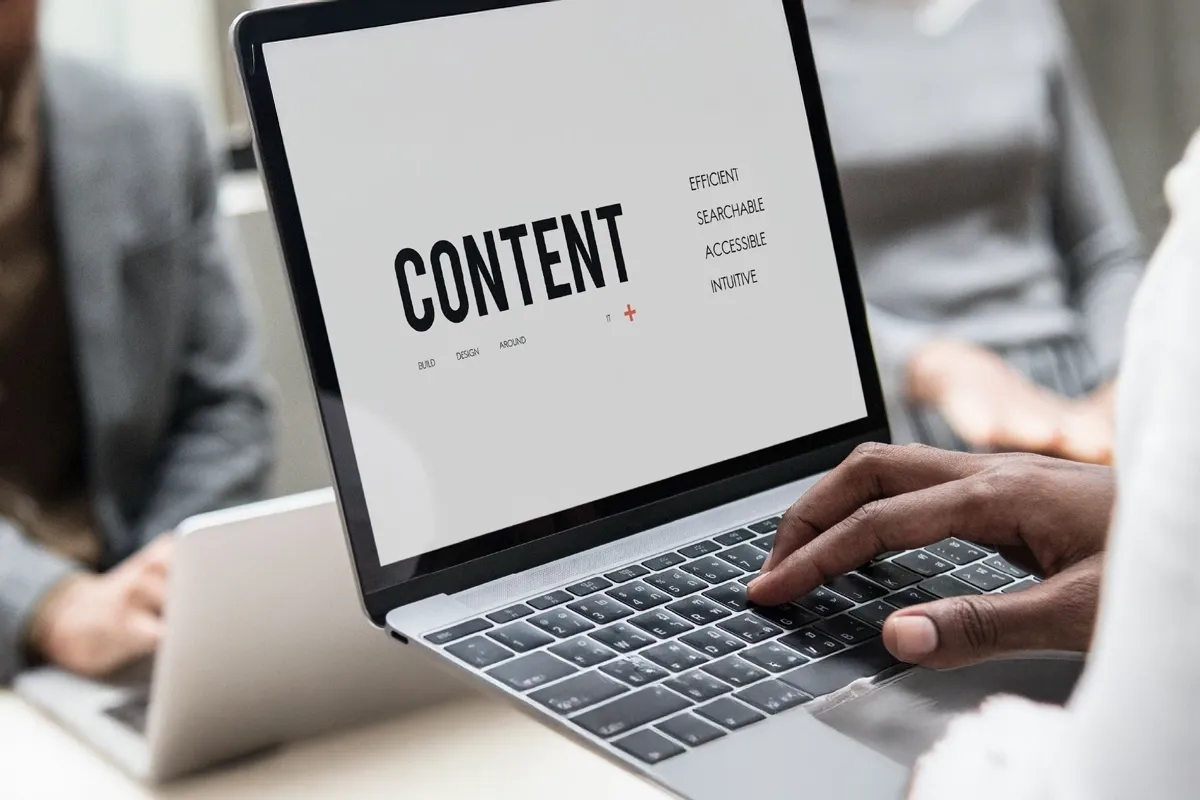
Content Repurposing: What It Is and Why It’s Essential
Read More
The Future of Marketing Analytics: How DeepSeek AI is Changing the Game
Read More
Facebook Split Testing (A/B Testing) Guide: Unlocking Data-Driven Success for Your Campaigns
Read More
Different Types of Google Ads and When To Use Them
Read More
How Marketers Are Spending Their Money in 2025
Read More
A Comprehensive Website Migration Checklist
Read More
Recap of the Google Algorithm Updates in 2025
Read More
How to Use a People Also Ask Section to Get More Traffic
Read More
How We Helped Rahhalah Explorers Achieve Half a Million Reach
Read More
SEO in 2026: Future Predictions and Trends
Read More
How to Improve Your Email Open Rates
Read More
10 Follow-Up Techniques That Close More Deals
Read More
Search Google or Type a URL: Which Gives Better Results?
Read More
How to Use Behavioural Psychology to Drive Marketing Success
Read More
Best Times to Post on Social Media in 2026
Read More
Top JavaScript Frameworks for SEO-Friendly Websites
Read More
10 Proven Strategies to Reduce E-commerce Cart Abandonment
Read More
A Quick & Practical Guide to Google Local Service Ads
Read More
Elevate Your E-commerce Strategy with SEO in 2025
Read More
How Customer Feedback Can Shape Your Entire Marketing Strategy
Read More
10 Steps for Startup Founders to Build a Personal Brand on Social Media
Read More
11 Game-Changing Insights to Drive Startup Business Success in 2025 and Beyond
Read More
Startup Success: How Positive Work Culture Drives Employee Wellness and Productivity
Read More
Top 20 Branding Strategies for Law Firms
Read More
Maximising Travel Bookings with PPC Advertising: A Comprehensive Guide
Read More
What Is Digital PR and How Can It Impact My Business?
Read More
The Difference Between Keywords and Search Queries
Read More
How To Assess Startup Performance: 19 Crucial Indicators To Pay Attention To
Read More
Why Isn’t Google Indexing My Page? 14 Reasons to Know!
Read More
Google Ads Vs. Facebook Ads: Which Is Best For Your Business In Dubai?
Read More
How to Conduct a Social Media Audit in 9 Simple Steps
Read More
Boosting Real Estate Leads with PPC Advertising in 2025
Read More
The Power Of Remarketing In PPC Advertising
Read More
GPT-3.5 and GPT-4: Choosing the Right ChatGPT for Your Business Needs
Read More
The 10 Core Graphic Design Principles Every Designer and Marketer Must Know
Read More
Understanding Negative Keywords: Definition and Practical Implementation
Read More
The Rise of Mobile Commerce: Understanding Consumer Behavior in a Mobile-First Era
Read More
Checklist for Designing Your Website in 2026
Read More
Real Estate Digital Marketing Trends for 2026 : Trends, Strategies, and Innovations
Read More
Ultimate Guide for Healthcare SEO: Medical SEO Tactics
Read More
How Does WhatsApp Integration Help Your Website?
Read More
Beyond Clicks: Tracking the True Value of Your Paid Ads in Dubai
Read More
Content Castle: Building Websites that Convert with SEO Moats and Social Bridges
Read More
Marketing with AI vs Humans: Striking the Right Balance of Automation & Creativity
Read More
Local SEO: Dominating with Google My Business and Hyperlocal Tactics in Dubai
Read More